Blog/Foundational Classics vs. the Latest Papers: Balanci…
foundational papers
Foundational Classics vs. the Latest Papers: Balancing Your Reading Diet
June 7, 2026·5 min read
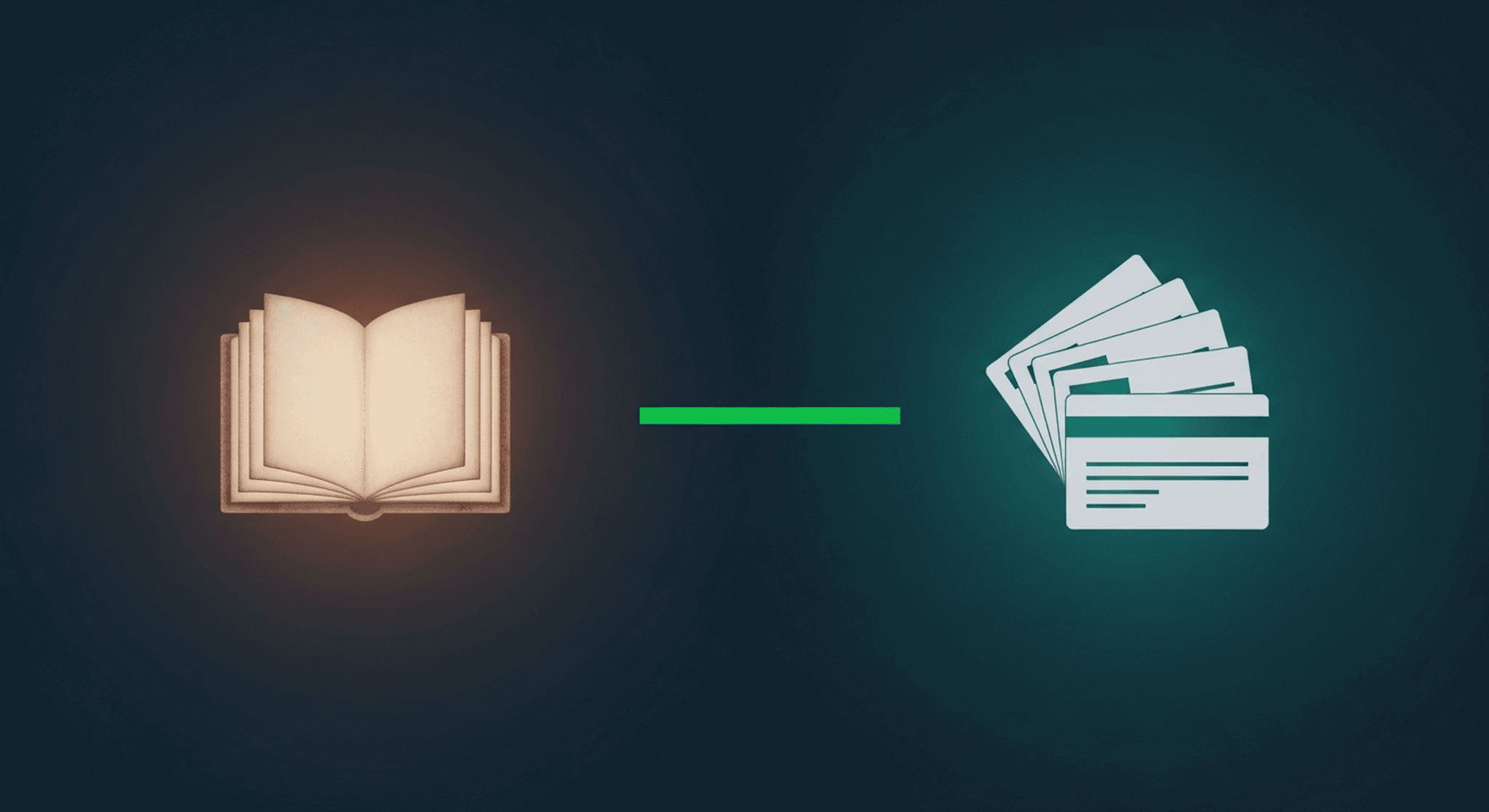
Every researcher hits the same wall at some point: should you read the 2023 paper five colleagues have already cited, or go back to finish the 1984 foundational text your supervisor keeps referencing?
It's not a minor question. The answer shapes how you understand your field, where you place your own work, and how credible you sound when you have to defend your framing.
This isn't an either/or choice. It's a ratio problem, and like any ratio, it can be managed deliberately.
Why foundational papers still matter
Foundational papers aren't on the syllabus out of tradition. They're there because the field has already stress-tested them. The ideas survived peer review, replication attempts, citation scrutiny, and decades of follow-on work. When you cite a classic, you're anchoring yourself to a known stable point in the literature.
There's a practical benefit too. Foundational papers define the vocabulary. They're where terms were first introduced, where key distinctions were first drawn. Reading the original often takes less time than piecing together the definition from ten downstream papers that each assume you already know it.
The risk of skipping them is subtle but real. You end up building on summaries of summaries. Your mental model of the field becomes a telephone-game version of what the originators actually argued.
Why the latest papers matter just as much
Foundational work tells you how the field was built. New work tells you what the field currently believes, which may be quite different.
Methods get superseded. Assumptions get overturned. A foundational paper on protein folding from 1990 is essential context; treating it as current state-of-the-art would be a significant error. The field moved.
New papers also tell you where the active disagreements are. Controversies, competing frameworks, replication failures: these only appear in recent literature. If you want to know what's actually contested right now, a prerequisite for finding a viable dissertation topic, you need to be reading what was published in the last 12-24 months.
The problem with treating them as separate categories
Most researchers don't consciously separate foundational and recent reading. They just read whatever lands in front of them. That defaults to recency bias: new papers are louder, more discoverable through alerts, more likely to be what colleagues mention. The classics get deprioritised until the week before a committee meeting.
The opposite failure happens too. Some researchers, especially early-stage PhD students, get stuck in the "background reading" phase, convinced they need to master the whole history of the field before they can engage with current work. They read backward forever and the new papers pile up unread.
Both patterns leave gaps. The fix is making the balance explicit.
A practical reading diet
Think of it in rough proportions rather than fixed rules.
In the first 3-6 months in a new subfield, lean foundational: roughly 60-70% foundational, 30-40% recent. You're building conceptual vocabulary. Without it, new papers are hard to evaluate.
During active research, flip it: 70% recent, 30% foundational. You need to know what's being argued now. Foundational reading becomes targeted, something you go back to when you hit a concept or citation you don't fully understand.
Before writing or presenting, do a deliberate foundational sweep. Check that your framing is consistent with how the field actually defines its terms. A 20-minute check can prevent an embarrassing question in the Q&A.
One useful heuristic: if a paper has been cited more than 200 times and is more than 10 years old, treat it as foundational regardless of the topic. If it was published in the last 18 months, treat it as current regardless of its citation count; it hasn't had time to accumulate citations yet.
The depth vs breadth trap inside each category
Within recent papers, there's a secondary balance to manage. Reading 40 abstracts a week is not the same as reading 8 papers properly. Breadth keeps you aware; depth builds actual understanding.
A workable split: skim abstracts broadly (10-15 minutes per paper), read methods and results for papers in your direct research area (30-45 minutes), and do a full slow read, including supplementary materials, only for papers that directly challenge or validate your own work.
For foundational papers, slow reading is almost always worth it. A classic that takes 90 minutes to read carefully is cheaper than spending 6 months with a subtly wrong mental model. Keshav's widely-cited guide on reading papers argues for a structured multi-pass approach precisely because different reading speeds serve different purposes.[1]
How to track what you've read
The practical obstacle is memory. Papers blur together. You start a foundational paper, get interrupted, and come back two weeks later having forgotten you started it.
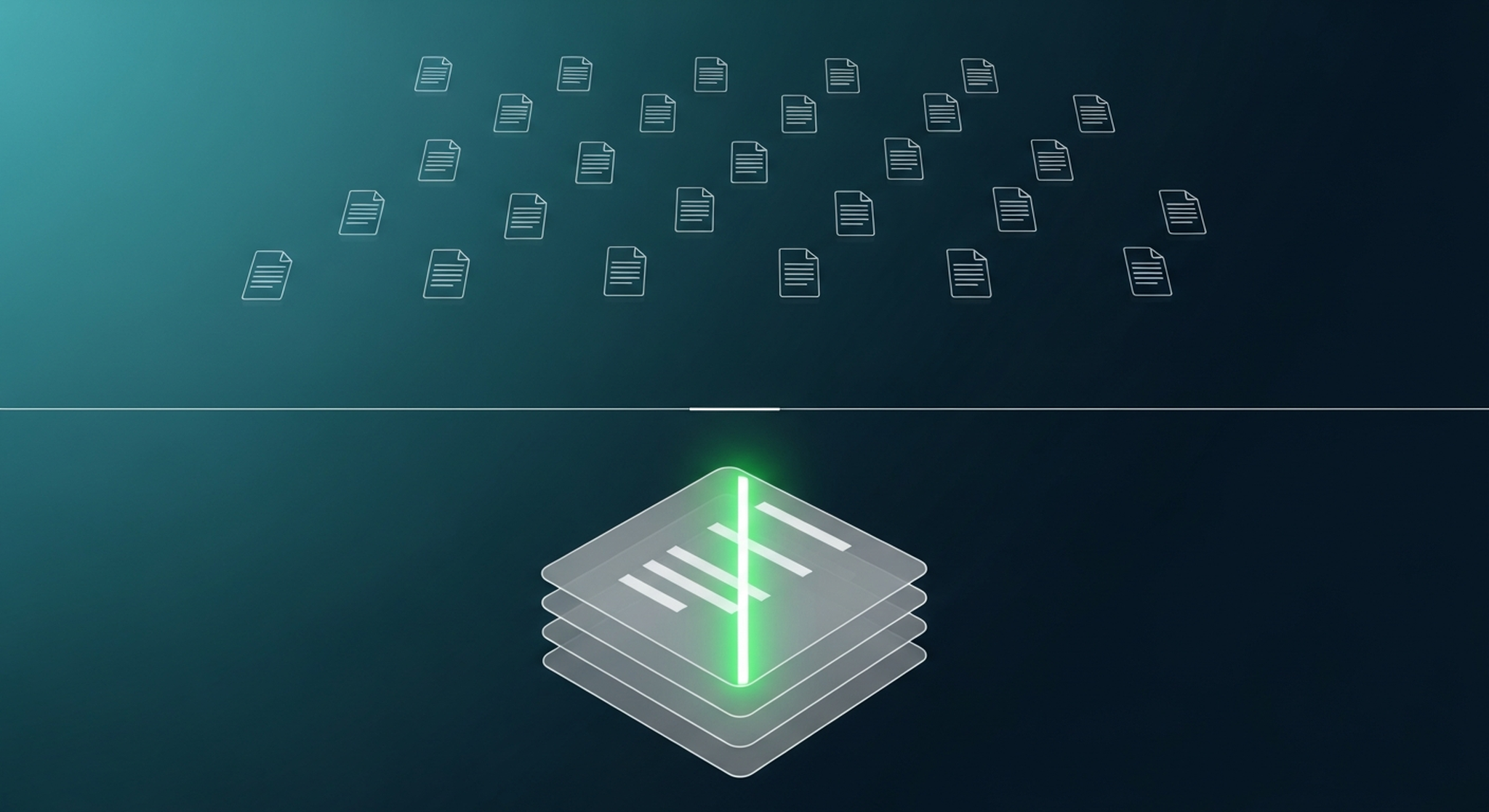
A simple tagging system helps more than any elaborate note-taking method. Tag papers as foundational or recent, and within those: skim, read, deep-read. That's enough to see your actual distribution at a glance and notice when you've been exclusively in recent-skim mode for three weeks.
If you're using a reference manager, add a "year established as foundational" field alongside the publication year. A 2019 paper that has since become a cornerstone of the field deserves foundational treatment even if it isn't old.
Research by Tenopir and colleagues on scholarly reading habits found that researchers spend more total time reading than they did a decade ago, but in shorter, more frequent sessions per article.[2] That pattern makes deliberate tracking more important, not less, because the cognitive overhead of remembering where you left off compounds quickly.
Where automated monitoring fits in
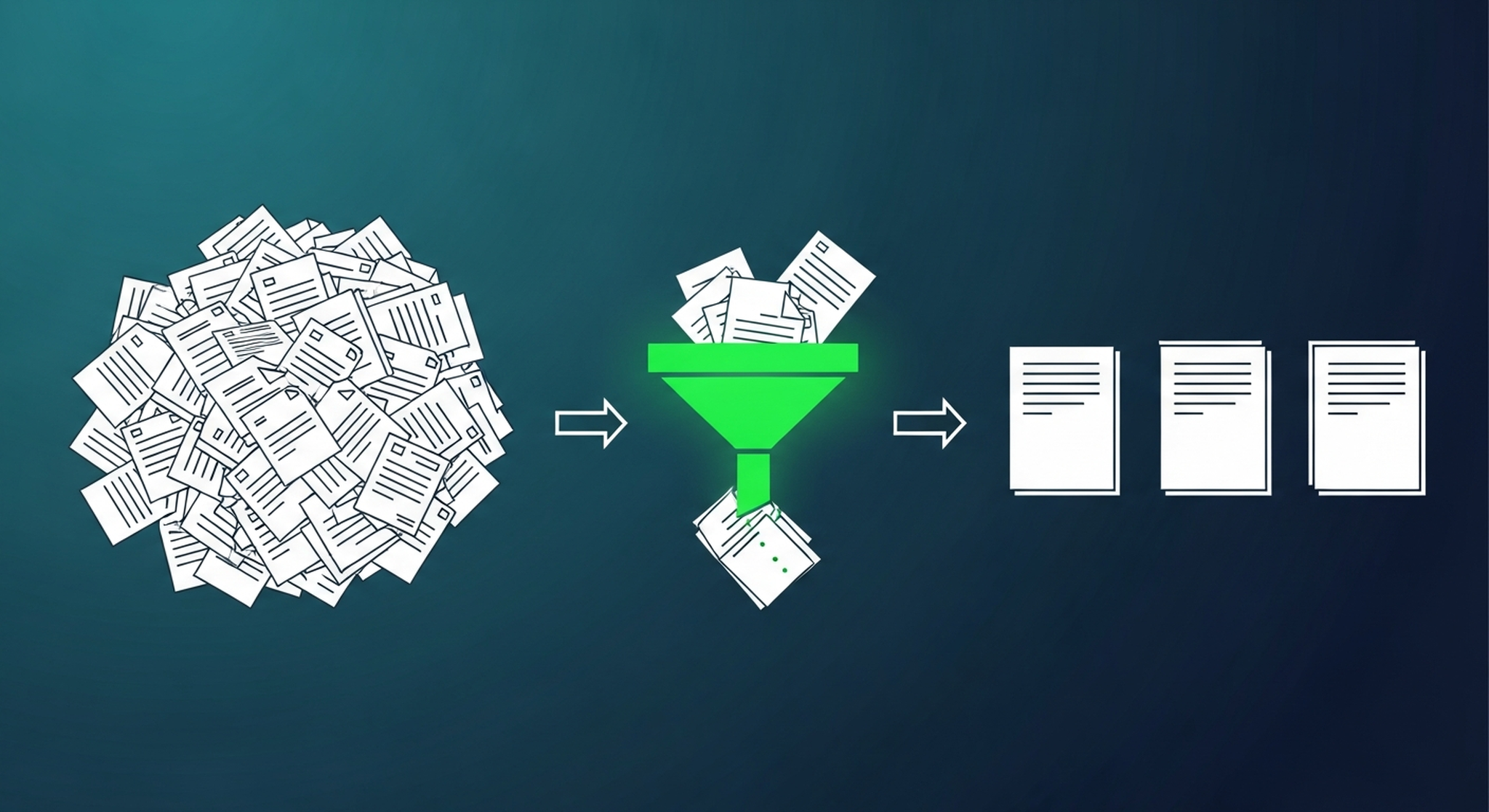
The hardest part of staying current isn't reading: it's knowing which new papers are worth reading. A field producing 200 new papers a week can't be monitored by hand. Something has to do the initial filtering.
That's the job LitFlo was built for: monitoring your specific research area daily, scoring papers against your actual interests rather than just your keywords, and surfacing the ones that are likely relevant. The idea is to spend your reading time on papers that matter rather than on manual search.
The foundational reading stays yours. No automated system will tell you it's time to re-read a seminal text. But freeing up the monitoring work creates bandwidth for the slow reading that actually builds expertise.
Keeping both in view
A reading diet isn't about discipline for its own sake. It's about maintaining two things at once: a stable foundation that lets you evaluate new claims, and current awareness that lets you know which claims are being made.
Foundational knowledge without current awareness produces a researcher who is deeply right about how the field was, but increasingly wrong about how it is. Current awareness without foundational knowledge produces a researcher who is fluent in the latest arguments but can't place them in the larger structure.
The balance doesn't need to be perfect. It just needs to be conscious.
References
-
Keshav, S. (2007). How to read a paper. ACM SIGCOMM Computer Communication Review, 37(3), 83-84. https://doi.org/10.1145/1273445.1273458
-
Tenopir, C., King, D. W., Edwards, S., & Wu, L. (2009). Electronic journals and changes in scholarly article seeking and reading patterns. Aslib Proceedings, 61(1), 5-32. https://doi.org/10.1108/00012530910932267
Try LitFlo
Stay on top of your field automatically
LitFlo monitors the latest papers in your research area and delivers a personalised digest — so you never miss what matters.
Get started free →Recent posts